Guest Post Outreach Email Templates That Get Replies (2026)

Guest Post Outreach Email Templates That Get Replies (2026)
11 copy-ready templates for every outreach situation
Guest post outreach email templates are pre-written frameworks for pitching article ideas to site editors and blog owners. The most effective ones follow a consistent five-part structure — subject line, personalised opener, one-line credentials, reader-focused pitch, and a single soft ask — while leaving deliberate space for the two or three specific details that turn a templated send into a message someone actually reads.
This guide provides eleven original, copy-ready guest post pitch email templates organised by situation: cold first pitch, single-idea pitch, ready draft, no-portfolio, newsletter pitch, agency pitch, two follow-ups, close-the-loop, rejection recovery, and post-acceptance. Each comes with its subject line formula, a note on when to use it, and a brief explanation of why it works.
If you are still building the broader strategy, start with our guest post outreach guide. When you are ready to find sites worth pitching, browse the publisher packages.
What Makes a Guest Post Outreach Email Get Replies?
Three things separate guest post pitch emails that get replies from those that get deleted.
Editors at active blogs receive twenty to fifty pitches per week. In 2026, AI tools make mass outreach trivially easy, which means the bar for standing out is a genuine signal that a human did the homework.
It proves the sender read the site.
A specific article title, a specific section, or a gap noticed in recent content signals a real reader behind the email. Generic flattery (“love your great content”) signals the opposite.
It puts the audience first.
“Your readers have not seen this angle yet” outperforms “I would love a backlink from your site” in every test of pitch framing. Editors serve readers; pitches that serve readers get answers.
It makes replying easy.
A short email with one yes/no question takes one sentence to answer. An email with a bio, five questions, and three attachments takes a meeting to process — and gets archived instead.
The Anatomy of a Strong Guest Post Pitch Email
A strong guest post pitch email has five elements in a fixed order: subject line, personalised opener, one-line credentials, topic pitch, and one soft call to action.
- Subject line — gets the email opened; names the site, a recent article, or the topic; under 50 characters.
- Personalised opener — one sentence proving you read their site; a specific article title, section, or observation.
- One-line credentials — who you are, where you have published; one sentence, one link.
- The pitch — two or three topic ideas framed around what the site’s audience gains, or one strong idea with a clear angle.
- A single soft ask — one low-friction question: “Would any of these be a fit?”
Total length: 80–150 words. Every word beyond that needs to earn its place.

11 Guest Post Outreach Email Templates by Situation
Each template below is an original framework. Add the one specific detail — article title, gap, or observation — that proves you read the site, and keep the rest tight.
Template 1 — Cold First Pitch (Three-Idea Approach)
Subject line: Guest post idea for [Site Name] — [Topic Area]
Template 2 — Single-Idea Pitch (High-Authority Sites)
Subject line: [Full article headline] — pitch for [Site Name]
Template 3 — Ready Draft or Outline Offer
Subject line: [Article title] — draft ready when you are
Template 4 — No-Portfolio Pitch
Subject line: Guest post idea for [Site Name] — [Topic]
Template 5 — Newsletter or Substack Pitch
Subject line: Guest issue idea for [Newsletter Name]
Template 6 — Agency Pitch on Behalf of a Client
Subject line: Expert contribution for [Site Name] — [Topic]
Template 7 — Follow-Up #1 (Day 4–5)
Subject line: Re: [original subject line]
Template 8 — Follow-Up #2 / Value-Add (Day 10–12)
Subject line: Re: [original subject line]
Template 9 — Close-the-Loop / Breakup (Day 16–18)
Subject line: Closing the loop
Template 10 — Rejection Recovery
Subject line: Re: [original subject line]
Template 11 — Post-Acceptance / After a Yes
Subject line: Re: [original subject line]
Subject Lines for Guest Post Outreach Emails
Your subject line decides whether the email gets opened. Keep it under 50 characters, name the site or the topic, and skip clickbait — editors see through it instantly.
| Situation | Subject Line Formula | Example |
|---|---|---|
| Cold first pitch | Guest post idea for [Site Name] — [Topic Area] | Guest post idea for BrightBlog — email outreach |
| Single strong idea | [Full article headline] — pitch for [Site Name] | Why Follow-Up Timing Beats Volume — pitch for BrightBlog |
| Ready draft | [Article title] — draft ready when you are | The 5-Part Pitch Framework — draft ready when you are |
| Newsletter pitch | Guest issue idea for [Newsletter Name] | Guest issue idea for The Outreach Post |
| Agency pitch | Expert contribution for [Site Name] — [Topic] | Expert contribution for BrightBlog — link building |
| All follow-ups | Re: [original subject line] | Re: Guest post idea for BrightBlog — email outreach |
How to Personalize Guest Post Pitch Emails at Scale
Personalization is the highest-leverage variable in outreach — and the easiest to fake badly.
Real personalization means one verifiable detail per email: a specific article title, a section you reference by name, or a gap you noticed in recent coverage. That single detail takes three to five minutes of research per prospect, and it is the difference between a 2% reply rate and a 12% one.
Build a simple research workflow: open the site, read the two most recent relevant articles, note one specific observation, then write the pitch. Batch the research (ten sites in one sitting) and batch the writing separately — context-switching between reading and writing kills speed.
What not to do: mail-merge the site name into a generic compliment, praise “great content” without naming any, or invent details you did not verify. Editors check. If you are outsourcing outreach entirely, the guest posting service handles prospecting, pitching, and placement with editorial review at every step.
Guest Post Outreach Follow-Up Sequence
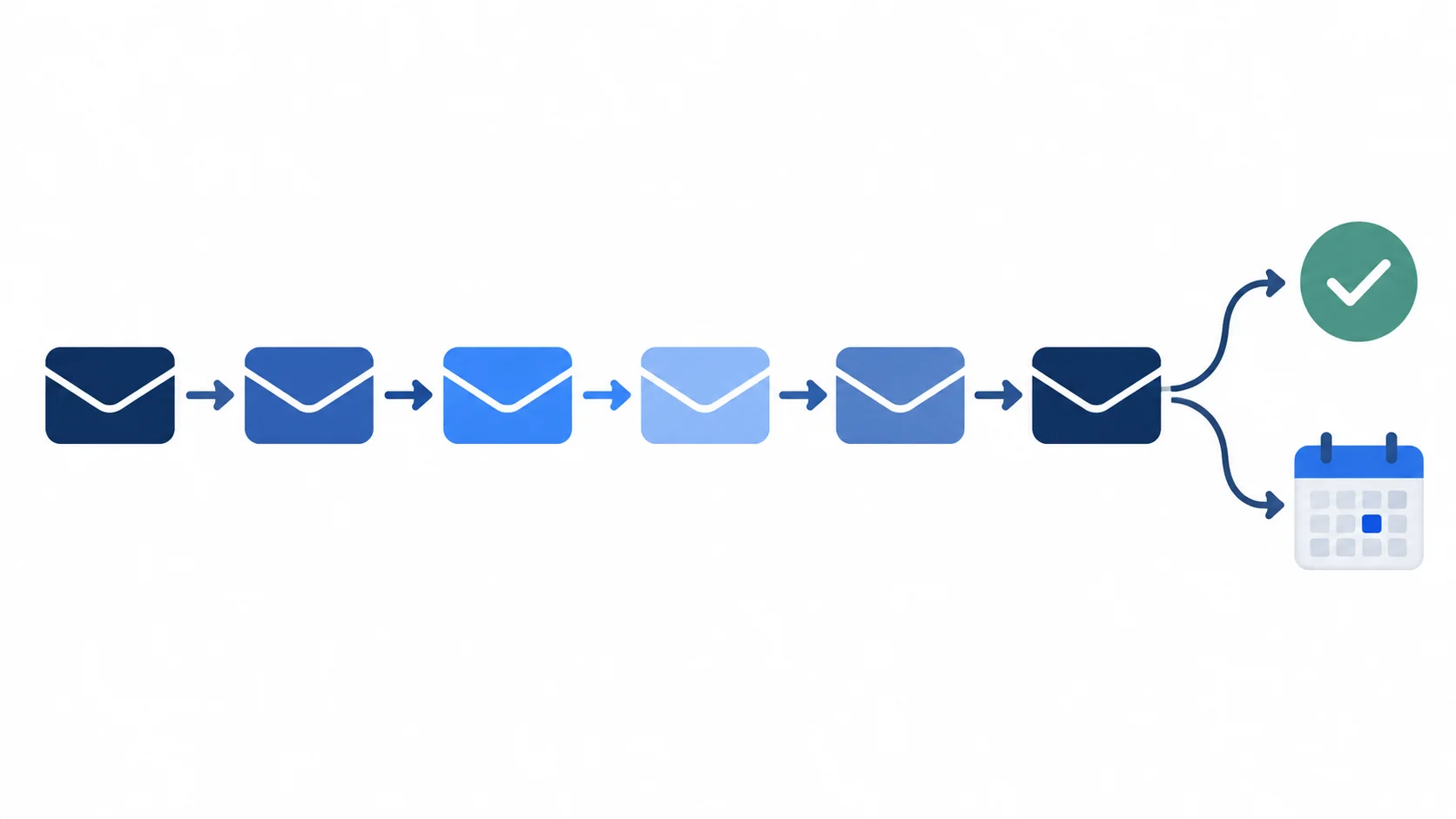
Most replies come from follow-ups, not first emails. Run every pitch through this four-touch sequence, then move on.
| Step | Send on | Max length | What to add |
|---|---|---|---|
| Initial pitch | Day 0 | 80–150 words | Full five-part pitch with personalised opener |
| Follow-up #1 | Day 4–5 | Under 40 words | Simple nudge; no new pitch, no guilt |
| Follow-up #2 | Day 10–12 | Under 60 words | New angle or timely hook tied to the site |
| Close-the-loop | Day 16–18 | Under 30 words | Graceful exit that keeps the door open |
Pre-Send Checklist for Every Guest Post Pitch Email
Run through this list before every send. It takes ninety seconds and catches the mistakes that kill reply rates.
- Subject line is under 50 characters and names the site, a recent article, or the topic.
- Opener references one specific, verifiable detail from the site — article title, section, or observation.
- Credentials are one line with one link, not a full bio.
- Pitch frames the benefit for the site’s readers, not for you.
- Email is 80–150 words total (shorter for follow-ups).
- Exactly one question — one soft call to action, nothing more.
- No attachments on a first pitch; offer outlines or drafts instead.
- Recipient name and site name are correct — check the mail-merge fields.
- Reply-to address is monitored daily so fast responses do not go cold.
Deliverability Basics for Guest Post Outreach
The best template in the world gets zero replies if it lands in spam.
Send pitches from a real mailbox on your own domain — not a free address and not a marketing platform built for bulk blasts. Warm up new sending addresses gradually over two to three weeks before any real outreach. Keep daily volume modest and consistent rather than spiky; sudden bursts from a cold address are the fastest route to the spam folder.
Authenticate your domain with SPF, DKIM, and DMARC records — most editors’ mail servers check these automatically. Avoid spam-trigger patterns: excessive links, ALL CAPS subject lines, and image-only emails. Plain-text-style formatting with one link outperforms designed templates for cold outreach, because it looks like a real person wrote it — which, with these templates, one did.
Tracking Your Guest Post Outreach Campaign
You cannot improve what you do not measure. Track every pitch in a simple spreadsheet with these columns:
| Column | What to record |
|---|---|
| Target site | Site name and URL |
| Contact | Editor name and email address |
| Pitch date | Date the initial pitch was sent |
| Topic pitched | Which headline or angle you proposed |
| Follow-up 1 date | Date of first follow-up |
| Follow-up 2 date | Date of second follow-up |
| Reply received | Yes/no and the date |
| Draft submitted | Date you sent the finished article |
| Published URL | Link to the live post |
| Backlink confirmed | Yes/no — verify the link is live and correct |
Review the sheet weekly. If reply rates dip below 5%, the problem is usually personalization depth or list quality — not the templates.
Frequently Asked Questions About Guest Post Outreach Email Templates
What is a guest post outreach email template?
How long should a guest post pitch email be?
How many follow-up emails should I send after a guest post pitch?
What subject line works best for guest post outreach emails?
What should I do if I have no guest post portfolio yet?
Should I mention a backlink in the first guest post outreach email?
What do I send after a guest post pitch gets rejected?
Ready to Put These Templates to Work?
Templates get replies; systems get placements. Pick your next step:
Find Sites to Pitch
Browse vetted editorial placements across niches with full guidelines and domain details.
View Publisher ListDone-For-You Outreach
We manage prospecting, pitching, and delivery — you review each placement before it goes live.
Explore the ServiceCustom Campaign Brief
Questions about a specific niche or a custom outreach campaign?
Get in touch