Local SEO Audit With a Prioritized Action List
A local SEO audit checks whether people can find accurate business information, understand the services, and complete a useful local action. Review the business profile, website, public records, customer feedback, and measurement together. Finish with verified issues and priorities, rather than a large unexplained score.
Start with the actual business model and service area. An audit based on the wrong location or offer can recommend changes that make the business less accurate.
Establish the audit scope
Record the business name, real locations, services, coverage, target customers, profile URLs, website, and account owners. Note whether the business is a storefront, service-area operation, or a genuine multi-location company.
Ask what success means. Calls, bookings, visits, orders, and qualified estimates require different measurement. Identify recent moves, redesigns, closures, tracking changes, and seasonal patterns.
Create an issue register with evidence, affected page or profile, business impact, owner, priority, proposed correction, and completion check. Use screenshots and exports internally where useful, removing private information from shared reports.
Audit the business profile
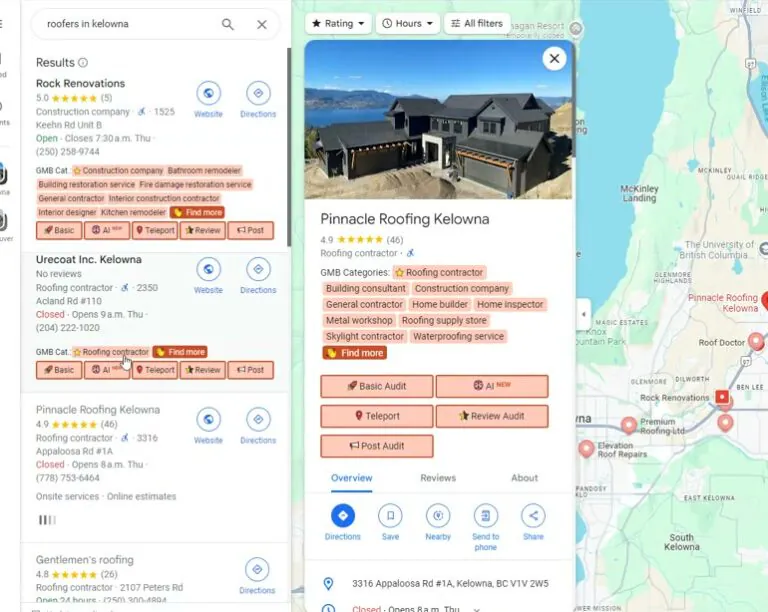
Check the real-world name, appropriate category, hours, phone, website destination, address or service-area settings, and relevant attributes. Inspect what the public actually sees.
Review ownership and unresolved verification problems. Check for duplicates without assuming every similarly named profile is illegitimate. Different practitioners and locations can require specific eligibility review.
Do not recommend keyword additions to the business name or invented addresses. An audit should correct inaccuracies rather than create new ones.
Review local visibility consistently
Choose representative queries and record the location, device, date, and result type. Distinguish Maps observations from ordinary organic results and advertisements.
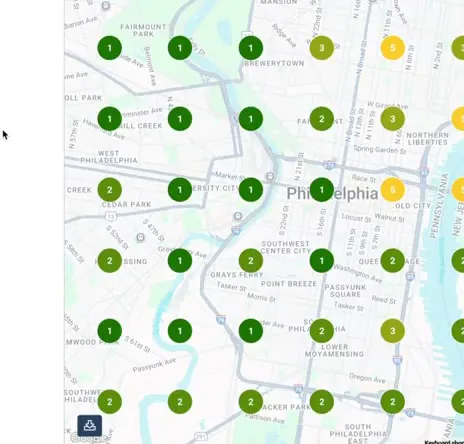
A local grid can help show geographic variation, but its sample points are not a census of every customer’s experience. Keep configuration stable when comparing periods.
Record the visible business category and landing page alongside rankings. A ranking change can reflect relevance, distance, competition, or measurement differences, not just the latest website edit.
Inspect service and location pages
| Audit question | Evidence to collect |
|---|---|
| Is the offer clear | Page content and customer terminology |
| Is coverage truthful | Real locations and service limitations |
| Can a visitor act | Tested phone, form, booking, or order route |
| Is the page distinctive | Useful detail beyond place-name substitution |
| Can it be found internally | Navigation and relevant internal links |
| Are claims supportable | Actual credentials, policies, and project evidence |
Review the page on mobile. Check text readability, forms, image behavior, and whether overlays obstruct the main task.
Check technical access
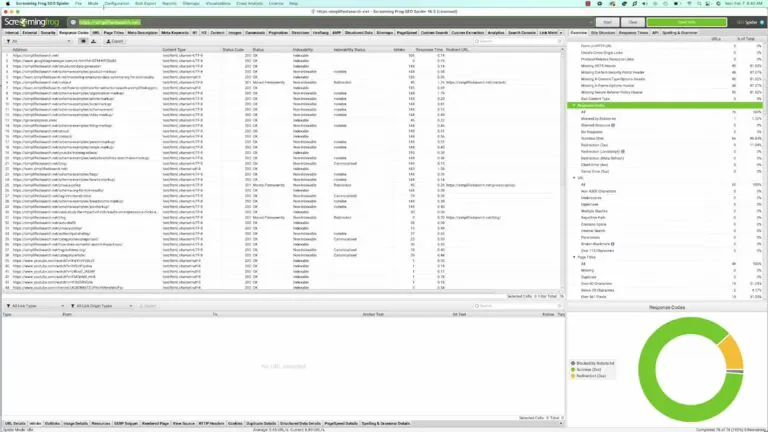
Inspect important URLs for errors, unintended redirects, indexing restrictions, canonical choices, and broken internal links. Confirm a finding on representative pages before creating a broad development ticket.
Use Search Console for the site you control to investigate indexing and search performance. A third-party checker or a site query is a limited observation, not a full diagnosis.
Prioritize template problems affecting important pages. Hundreds of minor warnings can distract from one broken service-page template or contact form.
Review public business records
Compare important directories, industry listings, and public contact records with the master business information. Correct material errors and duplicates that confuse customers.
Avoid treating every directory as equally valuable. Focus on records relevant to the business and its audience. Keep account ownership and update responsibility visible.
If the business moved, investigate old addresses and contact routes. A correction plan should account for customers as well as search visibility.
Audit customer feedback and local evidence
Review the review-request process, platform compliance, response quality, and recurring service issues. Do not recommend incentives or selective solicitation intended to exclude dissatisfied customers.
Check project photos, team information, licenses, and other trust material for accuracy and permission. A missing image is an asset task; it is not permission to fabricate evidence.
For sensitive industries, public review replies and testimonials require appropriate professional and privacy review.
Check measurement before drawing conclusions
Confirm how calls, forms, bookings, and orders are recorded. Test key events and distinguish attempts from completed actions. A phone click does not establish a connected, qualified call.
Review date ranges, time zones, source definitions, and tracking changes. If measurement changed, explain why a direct comparison may not be valid.
Separate new business inquiries from existing customers and spam. A dashboard showing more events can still hide a decline in suitable demand.
Prioritize the findings
Use impact, confidence, effort, and dependency to order the action list. A broken inquiry route usually deserves attention before a minor formatting improvement.
For a hypothetical business, the audit might identify an incorrect phone number, an accidental noindex setting on a service page, and several weak directory entries. The first two can directly obstruct discovery or contact and should not be buried under the directory count.
Avoid presenting a composite audit score as a Google metric. Your priority framework is an operational tool and should explain its reasoning.
Turn the audit into implementation
Assign owners and verification steps. After a correction, test the affected page or profile and record the completion date. Retain unresolved dependencies rather than marking the task complete when a recommendation is merely sent.
Review outcomes over a suitable period with seasonality and other changes in view. The audit improves the evidence and work plan; it does not guarantee an immediate ranking increase.
For the underlying implementation or measurement guidance, consult the official reference and check current requirements before making changes.
Frequently Asked Questions
How long does a local SEO audit take
The scope, locations, access, and website complexity determine the time. A small review can begin quickly, but unresolved ownership or technical issues may need additional investigation.
Can I audit without paid tools
Yes, for many foundational checks. First-party accounts, manual page review, and a consistent issue sheet can reveal important problems.
Is a low audit score a serious problem
Inspect the underlying findings. Scores vary by tool and may weight low-impact warnings heavily. Verified business impact matters more than the number alone.
Should I fix every warning
No. Confirm the issue and prioritize its effect on important pages, customer tasks, and technical access.
What is the final audit deliverable
A concise findings summary and an evidence-backed action register with owners, priorities, dependencies, and completion checks.