Guest Post Pricing by DR: What You Should Actually Pay in 2026
If you have ever been quoted $90 for a guest post on a DR 40 site by one vendor and $900 for what looks like the same placement by another, you are not imagining things. Guest post pricing by DR (Domain Rating) is one of the most confusing corners of SEO spending — because the same two-letter metric gets measured, marked up, and sold through completely different channels. This guide lays out the actual market data from six 2026 sources, explains why the numbers disagree, and gives you a practical framework for deciding what a placement is really worth to you.
Quick Facts
- DR = Ahrefs Domain Rating, a proprietary 0–100 score of backlink-profile strength only. It is not a Google score, and it is distinct from Moz’s Domain Authority (DA).
- DR 30–49: median asking price ~$90 (LinkDR, 10,030 sites, 2026); vendor average ~$458–$570 (BuzzStream, 257,000 sites).
- DR 70–79: median asking price ~$395 (LinkDR); vendor average ~$1,800 (BuzzStream).
- 96.2% of guest post sites are low quality (BuzzStream); the average DR across the marketplace is only 24.
- Traffic correlates with price (0.49) slightly more than DR (0.45) in LinkDR’s 2026 study of 10,030 sites.
- All figures below are general market ranges from the named sources — not TheGuestPoster pricing.
What Is Domain Rating — and What It Is Not
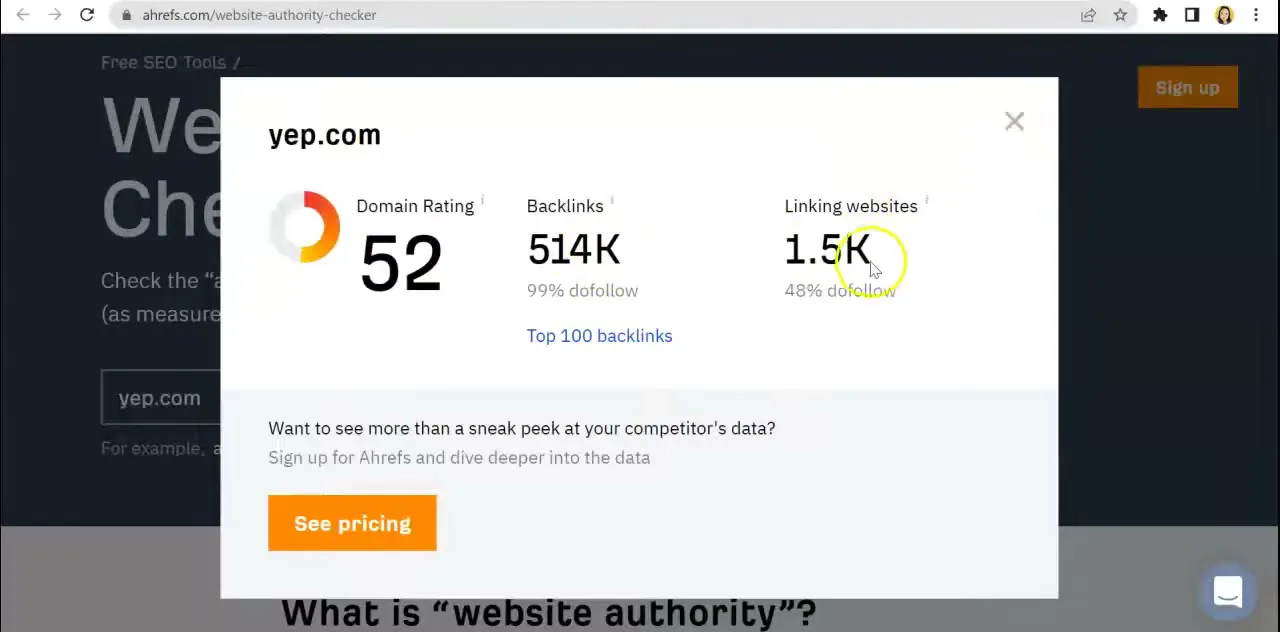
Domain Rating (DR) is Ahrefs’ proprietary metric, scored 0–100, that estimates the strength of a website’s backlink profile. A higher DR generally means more high-quality referring domains — but it measures links, not traffic, content quality, or relevance.
Crucially, DR is not a Google metric. Google does not use Domain Rating in its ranking systems, and no one outside Ahrefs knows exactly how it maps to anything Google measures. It is also distinct from Moz’s Domain Authority (DA): both are 0–100 third-party scores, but they use different methodologies and are not interchangeable.
Treat DR as what it is — a useful shortlist filter for prospecting — not as a price tag. Two sites with DR 45 can have wildly different real traffic, editorial standards, and link value.
Why Guest Post Pricing Sources Disagree: The Four-Price Problem
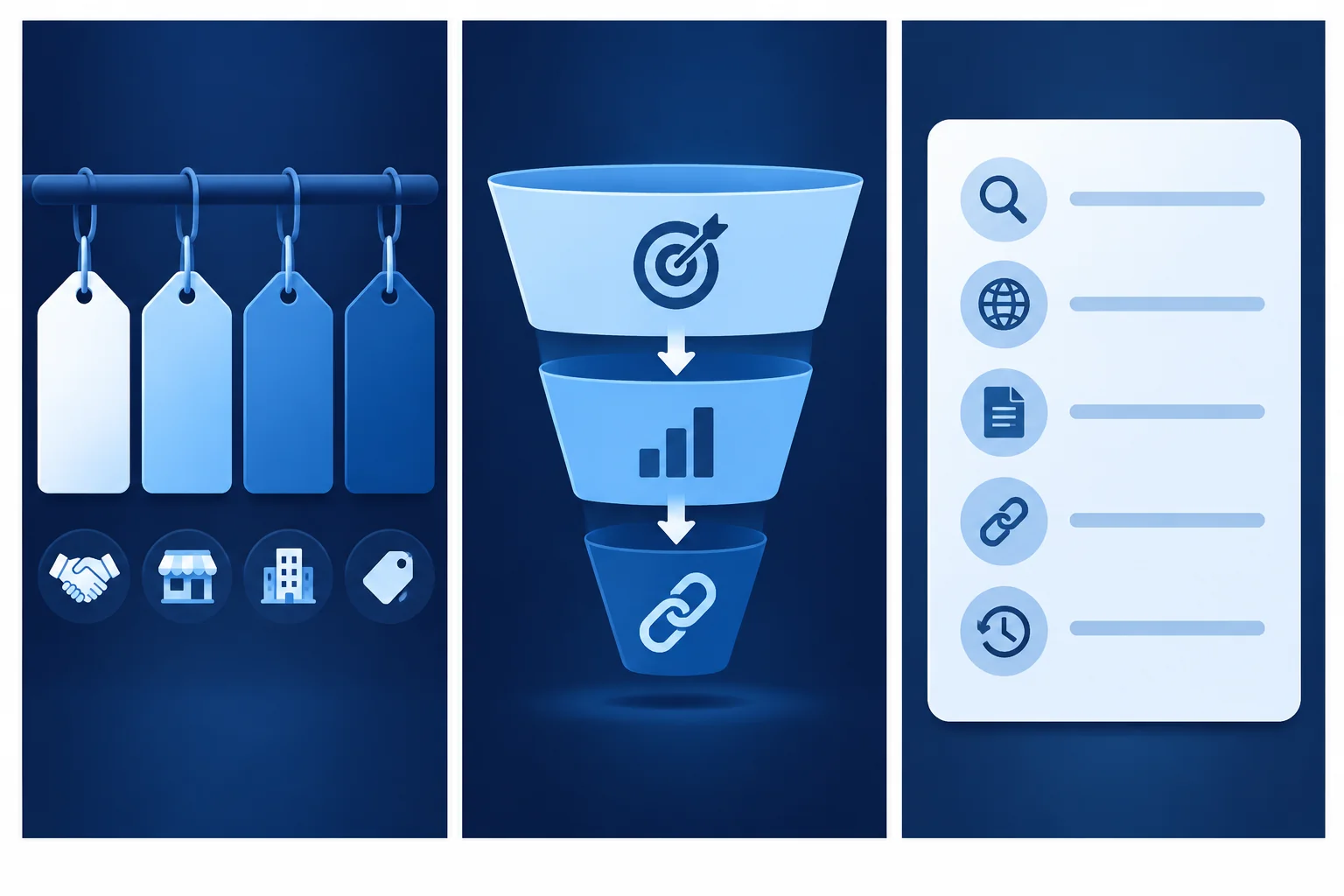
Before the data, you need the mental model. The same placement can carry four different prices depending on where you buy it:
Direct from Publisher
The site owner’s own rate card. Lowest price, but you do the outreach and vetting yourself. (BuzzStream, 257,000-site study, 2026)
Vendor / Marketplace
Resellers add roughly a 56% markup for access, convenience, and (sometimes) vetting. Same inventory, higher price.
Agency
Full-service outreach, content, and placement management on top of the vendor price. You pay for labor, not just the link.
Listed Asking Price
Public rate cards are often set 20–50% above actual transacted prices, leaving room to negotiate.
Guest Post Pricing by DR: Labeled Market Ranges from Six Sources (2026)
Every column below is a different study measuring a different thing. Read across a row to see how the same DR band gets priced through different channels — that spread is the four-price problem in numbers.
| DR Band | LinkDR median asking 10,030 sites | BuzzStream vendor avg 257k sites | PR Seolutions median offer 1,515 offers | Serpzilla buyer ranges | Adsy avg 52k+ sites |
|---|---|---|---|---|---|
| DR 20–29 | ~$90 | ~$353 | ~$209 (DR 0–29 band) | $130–$220 | ~$332 (DR 1–30 band) |
| DR 30–39 | $90 | ~$458 | $290 (DR 30–49 band) | $130–$220 | ~$332–$555 |
| DR 40–49 | $90 (same as DR 30) | ~$570 | $290 (DR 30–49 band) | $220–$400 | ~$555 (DR 31–70 band) |
| DR 50–59 | $90 (flat median) | ~$700 | $529 (DR 50–69 band) | $220–$400 | ~$555 |
| DR 60–69 | $140 | ~$1,200 | $529 (DR 50–69 band) | $400–$700 | ~$555–$2,025 |
| DR 70–79 | $395 | ~$1,800 | $799 (DR 70–84 band) | $400–$700 | ~$2,025 (DR 71+ band) |
| DR 80+ | $899 | ~$2,983 | $2,500 (DR 85+ band) | $700–$1,200+ | ~$2,025+ |
Table notes: LinkDR’s median stays flat at ~$90 across DR 30–59 — half of direct sellers ask $90 or less regardless of DR in that range. The DR 70+ price gap (BuzzStream ~$1,800, Adsy ~$2,025) reflects vendor markups on scarce inventory. The DR 85+ cliff (PR Seolutions $2,500) reflects inventory composition — recognizable news sites, scarcity, stricter editorial standards, and more nofollow policies — not a tripling of SEO power.
Stop Guessing at DR Prices
Browse vetted publishers with transparent pricing, or get a tailored quote for your campaign.
DR vs Traffic vs Relevance: Which Should You Pay for First?
When deciding what a placement is worth, rank these three in order:
1. Topical relevance first
A link from a site your audience actually reads, in your niche, beats a generic high-DR link every time — for rankings, referral traffic, and brand.
2. Real organic traffic second
Traffic proves the site ranks and earns clicks. 43% of DR 30+ sites get under 1,000 organic visits per month, and 24% get under 100. BuzzStream found sites under 100 monthly visits average ~$229, while sites over 100,000 visits average ~$3,210 — traffic moves price more than DR does.
3. DR as a shortlist filter
Use DR to build your prospect list, then vet by relevance and traffic before you pay. DR tells you a site can pass authority; traffic and relevance tell you whether it will move the needle for you.
Is a High-DR Placement Worth It With No Traffic?
For most goals: no. A DR 75 site with negligible organic traffic is often an aged domain, a repurposed site, or a link farm with inflated metrics. You are paying for a number, not for ranking power or an audience.
The exceptions: brand-association plays (being listed alongside recognizable publications for credibility) and competitive-keyword campaigns where every authority signal counts. Otherwise, a DR 45 site with 20,000 real monthly visits in your niche will outperform a DR 75 ghost site at a third of the price.
One DR 70+ vs Several DR 30–50: A Worked Comparison
Say your budget is $600. Two options:
Option A — one DR 70+ placement (~$600): a single link from a strong domain, bought via a marketplace. High authority, but one anchor, one page, one audience.
Option B — three DR 35–45 placements (~$200 each): three links from relevant, trafficked mid-tier sites. More anchors, more referral paths, more diverse link profile.
SerpBays (2026) found the DR 70+ premium — roughly 3x the price of DR 50 — is only justified for enterprise-competitive keywords or brand-association plays. Serpzilla (2026) found that several well-chosen mid-range DR 30–40 links often outperform one expensive generic DR 70 placement. For most growth-stage campaigns, Option B wins.
Why the Same DR 40 Gets Quoted at $90, $458, and $900+
This is the four-price problem in action. A DR 40 site might be:
- $90–$200 direct — the publisher’s own rate (LinkDR median asking: $90).
- $200–$458 via reseller — the ~56% vendor markup (BuzzStream).
- $400–$900+ via agency — another 30–60% for outreach, content, and management.
- Up to $900+ listed asking — rate cards set above transacted prices.
Niche and geography multiply the spread: Adsy found US sites averaging ~$670 vs Pakistan-based sites at ~$217 in the same DR bands. And on BlackHatWorld, the same DR 79 site with 19,700+ Ahrefs traffic was selling for $29 on one platform and $200+ on another. Get three quotes before you pay.
5-Step Vetting Checklist Before You Pay
Run every prospect through these five checks — they catch most bad buys:
1. Traffic trend
Look at 12 months of organic traffic. Steady or growing is good; a cliff or erratic spikes suggest penalties, algorithm hits, or manipulated metrics.
2. Country traffic breakdown
If 80% of traffic comes from a country unrelated to the site’s language or niche, the traffic may be bot-driven or bought.
3. Recent posts
Read the last 10 posts. Thin, spun, or off-topic content means the site sells links indiscriminately — your link will sit among junk.
4. Outbound link density
Count external links per post. Dozens of outbound links per article means the site is a link farm. Also confirm the site discloses paid links properly — paid links for ranking should carry rel="sponsored" or rel="nofollow" under Google’s link-spam policy.
5. Domain history
Check the Wayback Machine and WHOIS. A domain that was a casino site last year and a “tech blog” today is a repurposed domain — walk away.
For a deeper walkthrough of vetting marketplaces, see Guest Post Marketplace: How It Works, Pricing & Safety Guide.
What Should the Price Include?
A legitimate guest post price should cover — or clearly itemize — these elements. Confirm each in writing before you pay:
- Exact page URL — where the post will live, not just the domain.
- Traffic evidence — recent organic traffic for the domain and, ideally, the section.
- Link attribute — will your link be followed,
rel="sponsored", orrel="nofollow"? Paid links intended to influence rankings must be tagged per Google’s link-spam policy. - Permanence / replacement guarantee — how long the post stays live, and what happens if it is removed.
- Content inclusion — a 750–1,000 word article written to the site’s standards, or a separate content fee.
- Reporting — live URL confirmation and placement screenshots.
Note: this is general information about common market practices, not legal or compliance advice. Verify disclosure requirements with your own counsel.
Frequently Asked Questions
DR (Domain Rating) is a proprietary backlink-profile score from 0–100 calculated by Ahrefs. It estimates the strength of a site’s backlink profile based on the quantity and quality of referring domains. Google does not use DR in its ranking systems. DA (Domain Authority) is a separate 0–100 metric from Moz with its own methodology — the two are not interchangeable.
It depends on the channel. Market data from 2026 shows: ~$90 median direct asking price (LinkDR, 10,030 sites), $220–$400 through marketplaces (Serpzilla buyer ranges), and ~$700 vendor average (BuzzStream, 257,000 sites). These are general market ranges from the named sources — not fixed rates, and not TheGuestPoster pricing.
Because you are seeing different price layers: direct-from-publisher rates are lowest, resellers add ~56%, agencies add another 30–60% for outreach and content, and listed asking prices are often set 20–50% above what actually transacts. Niche and country multiply the spread further. Get three quotes before you pay.
For most growth-stage campaigns, a DR 50 site with genuine organic traffic and strong topical relevance will outperform a generic DR 70 site costing 3–5x more. The DR 70+ premium is justified mainly for highly competitive commercial keywords, YMYL niches where authority signals matter most, and brand-credibility plays.
PR Seolutions’ study of 1,515 offers found the DR 85+ price jump reflects inventory composition — recognizable publications, genuine scarcity, stricter editorial standards, and more nofollow policies — not a tripling of SEO value. You are paying for brand association and editorial selectivity as much as for link equity.
Run the five vetting checks: traffic trend (12 months, no cliffs), country breakdown (matches the site’s audience), recent post quality (read the last 10), outbound link density (not dozens per post), and domain history via the Wayback Machine and WHOIS. Any one failing is a reason to walk away.
Under Google’s link-spam policy, paid links intended to influence rankings are link spam unless tagged with rel="sponsored" or rel="nofollow". Editorial links earned on merit without payment are a separate category. This is general information, not legal advice — verify disclosure requirements with your own counsel.
Get Started With Guest Posting
Now that you know what DR-based pricing looks like across the market, put it to work:
Request a Tailored Quote
Tell us your niche, budget, and DR targets — we’ll recommend the right placements.
Guest Posting Guide Hub
All our guides on outreach, pricing, packages, and marketplace safety in one place.
Publisher List
Browse vetted guest posting websites with transparent pricing.
Guest Posting Services
Done-for-you outreach, content, and placements on real sites.
How Much Does a Guest Post Cost?
The broader pricing guide: factors, price bands, and comparing quotes.
Guest Post Outreach
How to find sites, pitch editors, and earn placements yourself.
Similar Posts
Guest Post Marketplace: How It Works, Pricing & Safety Guide
Navigate marketplaces safely and understand how pricing really works.
How to Submit a Guest Post
A step-by-step guide that editors actually accept.
How Much Does a Guest Post Cost?
Pricing factors, price bands, and how to compare quotes for 2026.
Guest Post Packages
How to choose the right package without wasting your budget.
Guest Post Outreach
Find sites, pitch editors, and earn placements.