SEO for Family Law Firms With a Clear Local Plan
SEO for family law firms should help people find a relevant lawyer, understand the firm’s services, and take an appropriate next step. Begin with accurate local information, useful practice-area pages, credible attorney profiles, and a confidential inquiry process.
The marketing plan must also respect the firm’s professional obligations. Advertising rules depend on jurisdiction and can change. Have the responsible lawyer review claims, testimonials, disclaimers, and intake practices before publication.
Understand how prospective clients search
People may search for divorce representation, custody matters, support questions, mediation, or help finding a local attorney. These searches involve different information needs and levels of urgency.
Map each service to the work the firm actually accepts. Do not publish pages implying expertise, office locations, or availability the firm cannot provide.
Separate educational questions from hiring intent. A general explanation can help someone understand a process, while a local service page should explain the firm’s role, relevant jurisdiction, and contact route.
Establish accurate local information
Keep the firm’s business name, contact details, address, hours, and website consistent across its main public records. Use the real-world business name rather than adding search terms to a profile name.
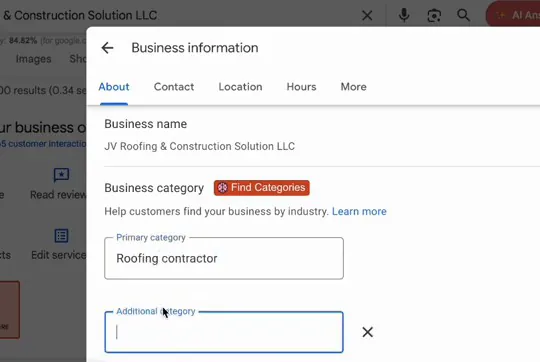
Review the business profile’s category, location information, and destination page. Multi-office or practitioner situations need checking against current eligibility rules; do not create duplicate profiles merely to target more searches.
A service-area setting does not create an office or guarantee visibility throughout a region. Local results vary with the searcher’s location and other factors.
Build useful practice area pages
| Page | Information a prospective client needs |
|---|---|
| Divorce representation | Scope of help, jurisdiction, process overview, and contact route |
| Custody-related services | Matters handled, attorney role, and limits of general information |
| Mediation | Whether the firm offers it and how the engagement works |
| Attorney biography | Actual credentials, admissions, experience, and role |
| Office page | Genuine location, access details, hours, and relevant team |
Use the firm’s actual terminology and services. A page should not become a generic essay with a city name inserted into every paragraph.
Make local pages earn their place
Create a location page when there is meaningful information for the local reader. That may include a genuine office, relevant service coverage, practical contact details, or jurisdiction-specific context reviewed by the firm.
Avoid dozens of nearly identical town pages. They create maintenance work and can mislead readers about the firm’s presence.
Do not publish procedural details about local courts from memory. Material legal statements and changing processes need current authoritative verification and attorney review.
Show expertise accurately
Use real attorney names, biographies, and credentials. Identify who wrote or reviewed educational content when that is true. A reviewer label should reflect actual review of the approved version.
Avoid unsupported superlatives, guaranteed outcomes, and misleading comparisons. The ABA’s model communication rules are a useful starting reference, but the firm must check the rules that apply in its jurisdiction.
Case examples require particular care. Obtain necessary permissions and legal review, and avoid implying that one result predicts another client’s outcome. Never invent client stories to make the page sound more personal.
Protect the inquiry process
Explain how someone can contact the firm and what information they should provide initially. Keep forms limited to information needed for the first step, and have the firm review confidentiality and conflict-related wording.
Test forms, call routing, confirmations, and mobile usability. A visibility improvement is wasted if inquiries go unanswered or reach the wrong person.
Measure marketing performance without putting sensitive case details into ordinary analytics events or public dashboards. Access to intake records should match actual responsibilities.
Handle reviews professionally
Ask for feedback through a consistent process that meets applicable platform and professional rules. Avoid incentives, selective requests designed to exclude dissatisfied clients, or pressure to describe sensitive matters.
Public replies should not reveal confidential information or argue the details of a case. Have the firm approve a suitable response process.
A review strategy should support trust and service improvement. It should not depend on manufactured testimonials or claims that every client achieved a favorable outcome.
Prioritize technical and mobile checks
Make service and attorney pages easy to find through navigation. Check page titles, headings, internal links, accessibility, and the readability of the contact route on a phone.
Use genuine office and team photographs with permission. Generated courtroom or client images should not imply real cases, people, or firsthand experience.
Review indexing settings and important redirects, particularly after a redesign. Keep a record of changes so a loss of inquiries can be investigated rather than attributed automatically to demand.
Measure suitable inquiries rather than traffic alone
Define a qualified inquiry with the firm: relevant matter, jurisdiction, and service fit. Keep reporting focused on counts and trends without exposing private details.
Separate new inquiries from existing clients, spam, and matters the firm does not handle. Review which pages attract the right requests and whether intake capacity can serve them.
A suggested initial plan is to fix business information and contact failures, improve core service pages, then add carefully reviewed educational content. The sequence should follow the firm’s actual gaps rather than a fixed article quota.
Check the model communication rule as background, then have the firm confirm the rules that actually apply to its jurisdiction.
Frequently Asked Questions
Can SEO guarantee more signed family law cases
No. Visibility, inquiry quality, intake, conflicts, availability, and client choice all affect the result. Measure qualified demand without guaranteeing outcomes.
Should every city have its own page
Only when the page provides distinct, truthful local value. Avoid implying offices or local experience that the firm does not have.
Who should review legal content
An appropriately qualified lawyer responsible for the relevant jurisdiction and subject. Record the approved version and review date.
Can a firm use client testimonials
That requires checking applicable professional rules, permissions, and presentation. Do not assume a generic marketing template is appropriate.
What should a small firm improve first
Accurate local information, working contact routes, clear practice-area pages, and truthful attorney profiles. Add more content after those foundations are reliable.