Local Business SEO From Information to Better Inquiries
Local business SEO helps people discover a relevant nearby business and understand whether it can meet their needs. Start with accurate business information, clear service pages, useful customer evidence, and working contact routes. Then measure whether visibility brings suitable calls, visits, bookings, or orders.
A local plan should reflect how the business operates. A storefront, a service-area contractor, and a business with several genuine locations have different information and profile requirements.
Define the service and market
List the services or products customers can actually buy, the places you serve, and the limitations that affect delivery. Prioritize the work the business wants and can handle profitably.
Translate that into customer questions. Someone searching for an emergency repair needs different information from someone planning a large project. Your pages should make the service, area, availability, and next step clear.
Do not choose topics solely because they have large search volumes. A broad national query can bring visitors who are unlikely to become local customers.
Check the business profile
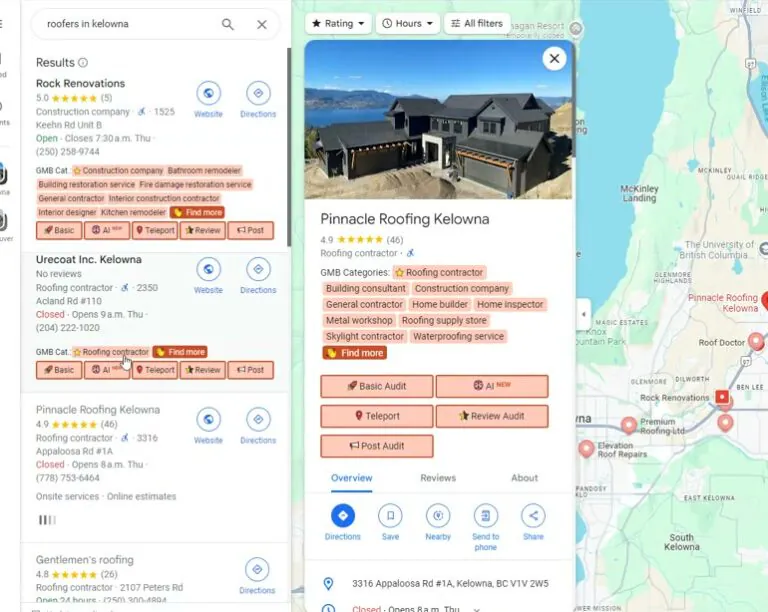
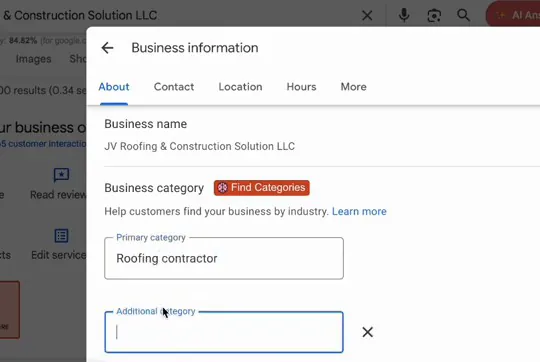
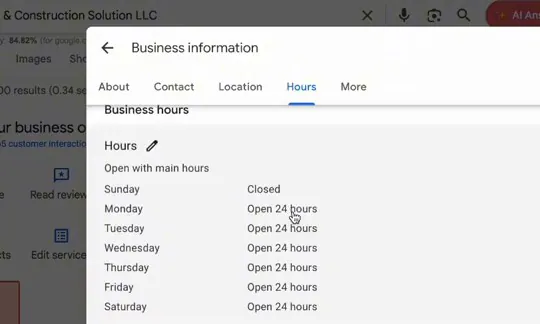
Use the real-world business name and accurate contact details. Review the category, hours, holiday changes, location or service-area information, and website destination.
Follow the current eligibility rules for the business model. A service-area business should not invent storefronts to create more profiles. Adding places to a service-area list does not establish a physical office in each place.
Keep ownership and access documented. The business should retain appropriate owner control even when an agency manages daily updates.
Build pages around actual services
A useful service page explains the problem, what the business does, important exclusions, evidence of relevant work, and how to request help. Use language customers recognize.
Include practical details that affect the decision: service area, appointment process, preparation, product options, or how estimates work. Confirm claims about licensing, warranties, and response times with the owner.
Create separate pages when the services involve distinct needs and information. Combine close variants when splitting them would produce repetitive pages.
Make location content truthful and useful
| Business situation | Useful location content |
|---|---|
| One customer-facing shop | Address, hours, access, parking, and contact details |
| Service-area contractor | Genuine coverage, service limitations, and inquiry process |
| Several genuine offices | Distinct local teams, contact details, hours, and services |
| Appointment-only operation | Accurate appointment and access instructions |
Avoid replacing a town name in the same paragraph across dozens of URLs. A location page needs its own reason to exist.
Use genuine photographs and local context when available. Do not present AI-generated premises or projects as real evidence of a local presence.
Keep public business records consistent
Check important directories and industry listings for the business name, address, phone, and website. Correct material errors and duplicates that could confuse customers.
Prioritize records people actually use and those important to your industry. Buying hundreds of obscure listings is not a substitute for accurate main records and useful pages.
Keep a master information sheet so future changes are consistent. Record who can update each account and where ownership or verification is unresolved.
Build a responsible review process
Ask customers for feedback consistently and follow the platform’s rules. Make the request easy without offering incentives or selecting only customers expected to praise the business.
Reply usefully and protect private information. A negative review may reveal a service problem that marketing cannot fix. Record recurring issues and assign someone to address them.
Do not promise a ranking increase from a particular number of reviews. Feedback supports trust and can inform customer choice, but results depend on several factors.
Improve the website experience
Check mobile navigation, readable content, accessible forms, tap-to-call behavior, and loading problems. Test the actual inquiry path rather than assuming the contact button works.
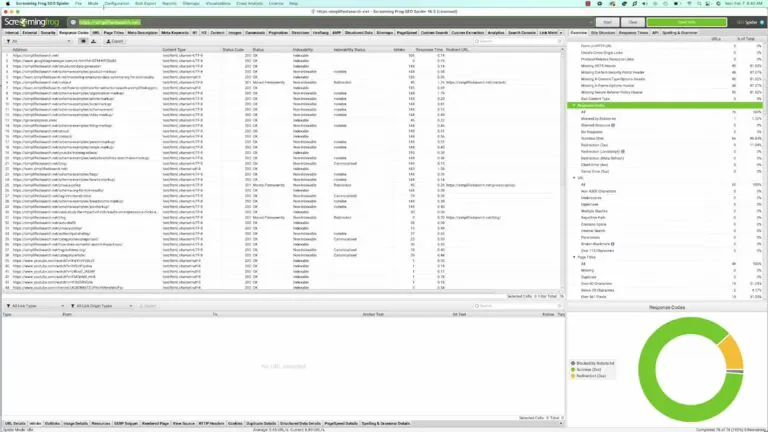
Make important pages reachable through relevant navigation and internal links. Check indexing settings, redirects, broken links, and unnecessary duplicate URLs.
Use structured data only when it accurately describes visible business information. It should not invent ratings, locations, or services.
Measure local results in context
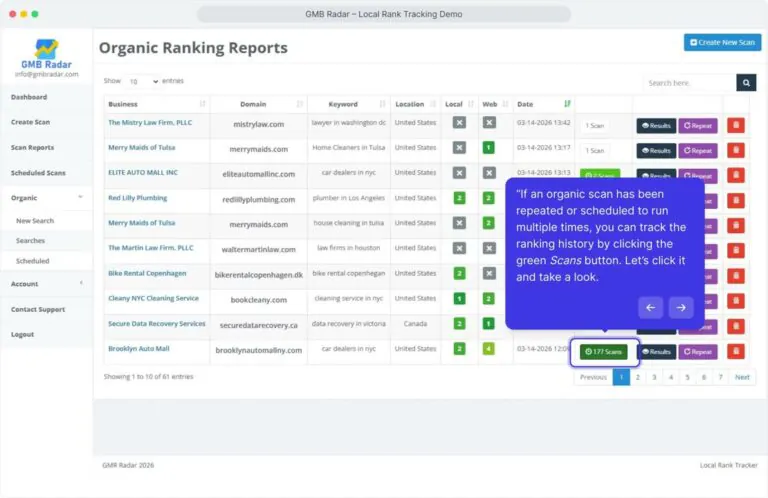
Local rankings vary by location, device, query, and time. A single search from the owner’s phone is a limited observation. Record a consistent measurement method when comparing visibility over time.
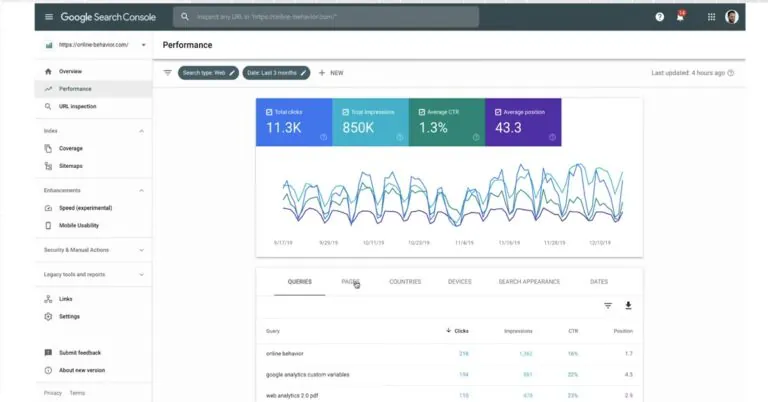
Track meaningful outcomes such as suitable calls, bookings, or orders. Separate existing customers, spam, and out-of-area inquiries. Keep personal information out of routine marketing reports.
Compare similar periods where possible and note seasonality, closures, promotions, and capacity changes. A busier month may reflect demand as well as marketing work.
A practical first month
Begin by fixing incorrect business details and broken contact routes. Next, improve the main service and location information. Then review customer feedback, public records, and technical issues.
Keep a short action register with the issue, evidence, owner, priority, and completion check. Work on the problems most likely to prevent a relevant customer from finding or choosing the business.
Add content after the essentials are reliable. A new article cannot compensate for incorrect opening hours or an inquiry form that fails.
For the underlying implementation or measurement guidance, consult the official reference and check current requirements before making changes.
Frequently Asked Questions
Can a small business do local SEO without an agency
Yes. Accurate information, useful service pages, responsible review requests, and basic measurement can be managed internally when someone owns the work.
Does setting a large service area improve rankings everywhere
No. It communicates coverage but does not create offices or guarantee visibility across the entire area.
How many location pages should I create
Create pages for distinct, truthful local needs. Avoid producing many near-identical pages solely to target place names.
Are reviews the only important factor
No. Business relevance, location, prominence, website quality, and accurate information also matter. Reviews are part of a broader customer and visibility process.
What should I track first
Whether people can find accurate information and complete a suitable inquiry, booking, visit, or order. Use ranking observations as supporting evidence.