White Label SEO Reports That Explain Results
White label SEO reports present client results under an agency’s brand. A useful report explains what changed, why it matters, what work was completed, and what happens next. Replacing a software logo with your own is only the presentation layer.
Build the reporting process before choosing a platform. Define the client’s objective, metric meanings, data sources, review responsibilities, and access rules.
Separate branding from substance
Branding can include a logo, colors, report domain, sender information, or a client portal. The current product plan determines which options are available.
The report still needs accurate data and useful commentary. A polished dashboard can mislead if it mixes date ranges, labels estimates as actual traffic, or treats a disconnected source as zero.
Make the agency accountable for the interpretation. Clients need to understand the business situation and the decision, not merely receive an automated export.
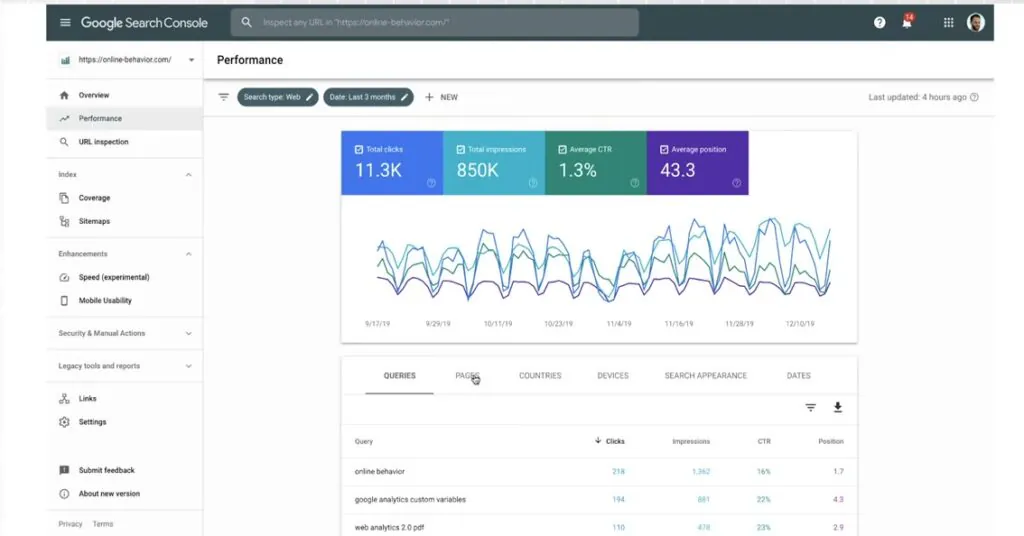
Define a consistent report structure
| Section | Purpose |
|---|---|
| Objective | Remind the reader what the campaign is meant to achieve |
| Results | Show relevant changes with consistent comparisons |
| Explanation | Identify evidence, uncertainty, and context |
| Delivery | Record completed work and implementation status |
| Next actions | Assign priorities, owners, and dependencies |
| Appendix | Preserve technical detail without overwhelming the summary |
Keep the executive summary concise. A client who needs technical detail should be able to inspect it without requiring every reader to interpret a large dashboard.
Choose metrics according to the client
A local contractor may need suitable calls and booked estimates. An ecommerce store may need organic revenue and category performance. A SaaS business may need relevant trials or demonstrations.
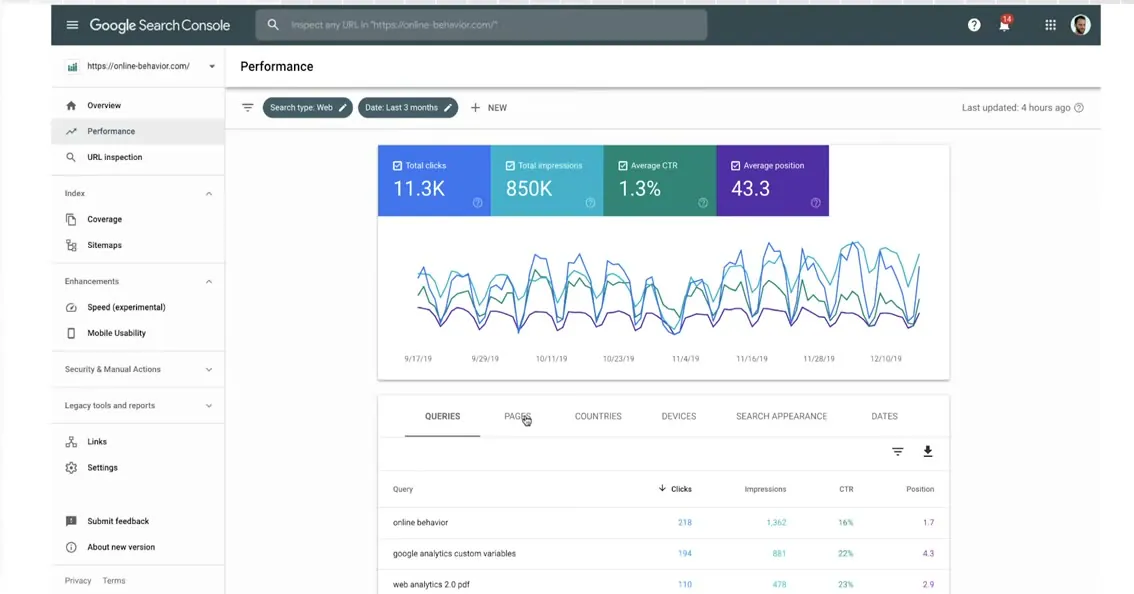
Search impressions, clicks, tracked rankings, and technical observations can explain discovery, but they are not interchangeable with business outcomes. Define branded and nonbranded groupings where useful and document their limits.
Keep data sources visible. Search Console, analytics, a CRM, and a third-party tracker can report different numbers because they measure different events and populations.
Evaluate platform capabilities with a real report
Compare candidates using the same client scenario and required sources. Data Studio, formerly Looker Studio, is one reporting route; platforms such as AgencyAnalytics, Whatagraph, or SE Ranking are candidates to investigate for agency workflows. Verify current connectors, branding, permissions, limits, and pricing directly.
Test commentary, approval, scheduling, export, and viewer access. Check whether a client can see another account through a shared link or misconfigured filter.
Also test missing-data behavior. A failed connection should be visible to the reviewer before the report is distributed.
Keep report definitions stable
Record the date range, time zone, currency, property, filters, and metric definitions. Changes to conversion events or attribution should be noted beside the affected trend.
For example, if the business changes its lead definition from all form submissions to qualified inquiries, the new number is not directly comparable with the old one. A chart without that note could falsely imply a decline.
Preserve a monthly snapshot or approved export when the client requires a historical record. Live dashboards can change when sources are corrected or definitions are updated.
Add commentary that leads to action
A useful observation identifies the change, the likely explanation supported by evidence, and the next step. Avoid automatic claims that every improvement resulted from agency work.
For a hypothetical client, category-page clicks may rise while revenue stays flat. The report should examine product availability, conversion measurement, and landing-page behavior before recommending more content.
Keep uncertainty specific. “The tracking change prevents a like-for-like conversion comparison” is more useful than a vague disclaimer attached to every page.
Manage white label relationships honestly
An agency can brand a fulfillment partner’s report while remaining responsible for what it tells the client. Review factual claims, completed tasks, and whether proposed changes were actually implemented.
Clarify who owns data connections, who writes commentary, and who approves distribution. Supplier access should be limited to what the work requires.
Do not conceal a reporting error behind the supplier relationship. Correct the record and explain the practical effect to the client.
Calculate reporting cost
Include software, connectors, setup, maintenance, commentary, review, and meetings. Automation may reduce formatting time while leaving diagnosis and explanation unchanged.
Suppose a fictional agency prepares 12 reports at 45 minutes each. That is nine hours before meetings. A platform that cuts assembly time still needs evaluation against subscription cost and the time required to maintain connections.
Measure your own savings during a pilot. Vendor claims about time saved are not a substitute for a trial using your real process.
Control distribution
Review each report before it is sent. Check data freshness, comparison periods, visible client identity, commentary, unresolved issues, and access permissions.
Keep sensitive personal information out of routine reports. Use aggregated business outcomes where possible, especially for legal and health clients.
Send the report through the agreed channel and assign the next action. A reporting cadence should support decisions, not just prove that an email was delivered.
For the underlying implementation or measurement guidance, consult the official reference and check current requirements before making changes.
Frequently Asked Questions
What does white label mean in SEO reporting
It means presenting the report under the agency’s brand. The underlying sources, software, or fulfillment partner may be separate.
Does white label reporting need special software
Not always. A consistent document can work for a small client base. Dedicated software becomes useful when connections, permissions, or repeatable delivery justify it.
Should reports be fully automated
Automate collection and formatting where reliable. Interpretation, missing-data checks, and final approval still need accountable review.
Which reporting platform is best
Choose through a trial of your required sources, branding, commentary, access, and export workflow. Verify the current plan before purchase.
What should every client report answer
What changed, what it means, what was done, what remains uncertain, and what action is recommended next.