SEO for Roofers That Connects Searches With Suitable Jobs
SEO for roofers should help homeowners and property managers find a contractor who serves their area and performs the work they need. Begin with accurate local information, distinct roofing service pages, genuine project evidence, and a reliable estimate-request process.
The goal is suitable work the company can deliver. More traffic is not automatically useful if it comes from outside the service area or for services the roofer does not offer.
Define the jobs you want
List the company’s actual services, such as repair, replacement, inspections, commercial work, or specific roofing systems. Confirm which are profitable priorities and which have capacity constraints.
Map the customer’s stage. An urgent leak inquiry needs a clear contact route and truthful availability. A replacement project may need information about assessment, materials, process, and how estimates work.
Do not promise emergency coverage, financing, warranties, or certifications unless the business can substantiate the claim. Marketing copy should match the offer a customer receives.
Make the business profile accurate
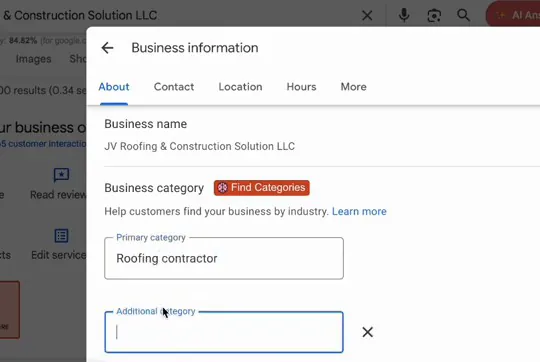
Review the business name, category, hours, phone, website, and location or service-area setup. Use the real-world name rather than adding roofing keywords to it.
Follow current eligibility rules for a contractor’s actual operating model. A virtual address or a list of target towns does not establish genuine offices.
Keep owner access and recovery information documented. If an agency manages the profile, the contractor should still retain appropriate control.
Build service pages that answer buying questions
| Service page | Useful details |
|---|---|
| Roof repair | Problems handled, assessment process, and contact route |
| Roof replacement | Scope, project stages, options, and estimate process |
| Commercial roofing | Building types, systems actually supported, and project coordination |
| Material-specific service | Relevant experience, limitations, and genuine examples |
| Service-area page | Truthful coverage and practical local information |
Use separate pages for genuinely different services. Avoid splitting every minor phrase into a thin page.
Explain what happens after an inquiry. A homeowner should know whether the first step is a call, inspection request, or estimate discussion. Avoid implying that a web form creates an immediate confirmed appointment if it does not.
Use project evidence with permission
Real project photos can show the company’s work, process, and relevant experience. Confirm ownership and permission before publishing customer properties or identifying details.
Describe the actual job and scope without inventing results. A before-and-after image should show the same project honestly, with captions explaining what changed.
Do not use AI-generated roofs as proof of completed work. Conceptual illustrations can explain a process, but they should remain clearly illustrative and should not become technical repair instructions.
Make town pages useful
Create local pages when you have meaningful information for that market: actual service coverage, project examples, scheduling constraints, or a genuine office. Keep claims accurate.
Avoid a large set of pages that change only the town name. They can confuse readers and create a maintenance burden.
A place name does not replace evidence. If the contractor has not worked in a town, do not invent a local project or testimonial to make the page appear established.
Earn trust through clear information
Display real contact details, relevant credentials, and accurate business information. Link internal pages that explain services, project evidence, and the estimate process.
Review customer feedback consistently and follow platform rules when requesting reviews. Avoid incentives or selective requests designed to exclude dissatisfied customers.
Public responses should protect customer information and focus on a useful resolution route. Recurring complaints about scheduling or communication need operational attention, not just a rewritten reply.
Fix the mobile inquiry path
Test the phone number, form, confirmation, and routing on a mobile device. Check whether calls reach the right person during the advertised hours and how missed calls are handled.
Keep initial forms proportionate. Request the information needed to assess fit without making the customer complete an unnecessary questionnaire.
Measure completed inquiries carefully. A click on a phone number is not the same as a connected call, a qualified estimate request, or a signed job.
Prioritize technical work
Make core service pages discoverable through navigation and internal links. Check page titles, headings, redirects, indexing settings, broken pages, and large images that interfere with use.
A redesign can change URLs and break valuable paths. Keep a redirect plan and test important pages after launch.
Use structured data that reflects visible, truthful information. Do not manufacture reviews, service locations, or ratings inside markup.
Measure job quality and seasonality
Track suitable calls, estimates, and outcomes where the business can do so responsibly. Separate existing customers, sales calls, spam, and inquiries outside the coverage area.
Roofing demand can change with weather, season, and local events. Note those factors alongside website and campaign changes rather than assigning every increase to SEO.
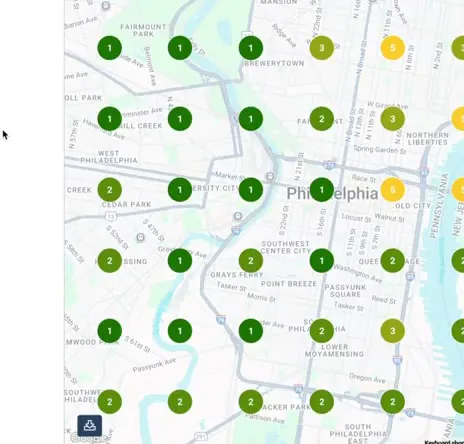
Local ranking observations should use a consistent location, device, query, and date. A single favorable result on the owner’s phone does not establish visibility across the market.
A practical starting sequence
Fix inaccurate business information and broken contact routes first. Improve the core services next, then add genuine project evidence and useful local detail. Review technical problems and measurement before increasing content volume.
Use one action list with the issue, evidence, owner, priority, and completion check. The most valuable task is often the one preventing a suitable homeowner from contacting the company.
For the underlying implementation or measurement guidance, consult the official reference and check current requirements before making changes.
Frequently Asked Questions
Does a roofer need a page for every town
Only when each page offers distinct, truthful local value. Avoid duplicating the same service description across many place names.
Can SEO guarantee roofing leads
No. Demand, competition, service fit, availability, and inquiry handling affect outcomes. Measure suitable inquiries rather than promising a fixed number.
Are project photos useful
Yes, when they genuinely show the company’s work and have appropriate permissions. Use captions that accurately explain the project.
Should roofing articles teach DIY repairs
Only within an appropriately reviewed scope. A marketing site can explain assessment and service choices without encouraging unsafe work.
What should a roofing company fix first
Accurate profile information, working phone and forms, clear service coverage, and useful core service pages. Those foundations support later content work.