SEO for HVAC Contractors With a Local Workflow
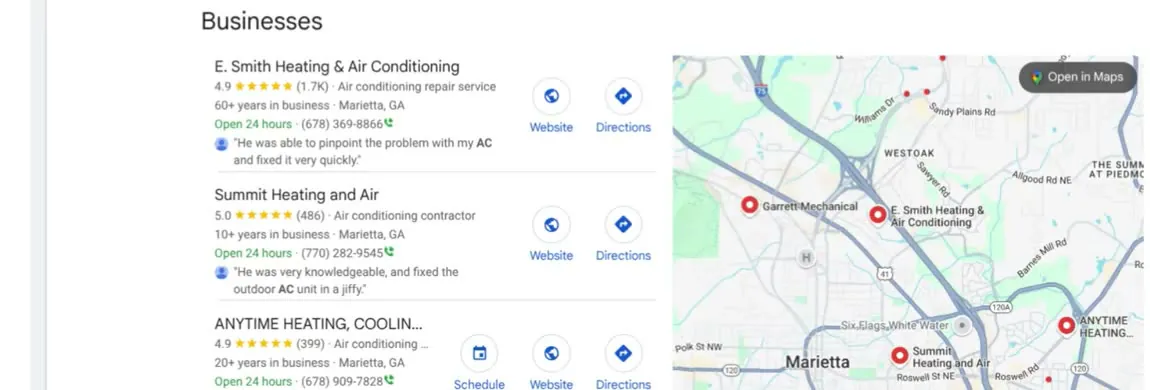
SEO for HVAC contractors should connect people with the heating, cooling, and related services the company actually provides. Begin with accurate business information, distinct service pages, genuine work evidence, and a reliable call or booking process.
Seasonality and capacity matter. The best search opportunity is not necessarily the service the business can deliver immediately, so the marketing plan needs input from operations.
Define service priorities and capacity
List repair, installation, maintenance, commercial work, and specialist services only where they are genuinely offered. Confirm brands, equipment types, warranties, financing, and response claims with the business.
Separate urgent repair searches from planned replacement and maintenance research. An urgent customer needs truthful availability and a clear contact route. A replacement customer may need a useful explanation of assessment, options, and the estimate process.
Record coverage and scheduling constraints. Do not imply around-the-clock service or a guaranteed appointment if the actual process cannot support it.
Keep the business profile accurate
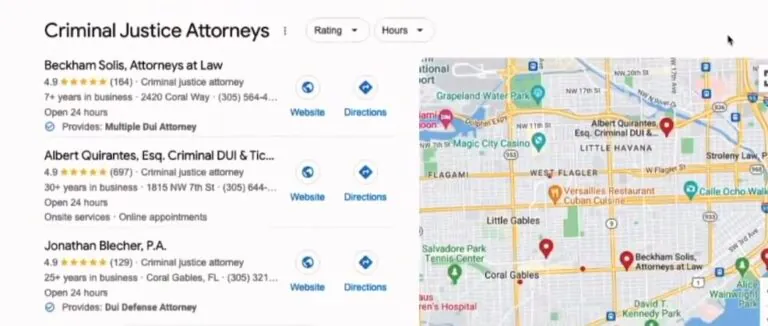
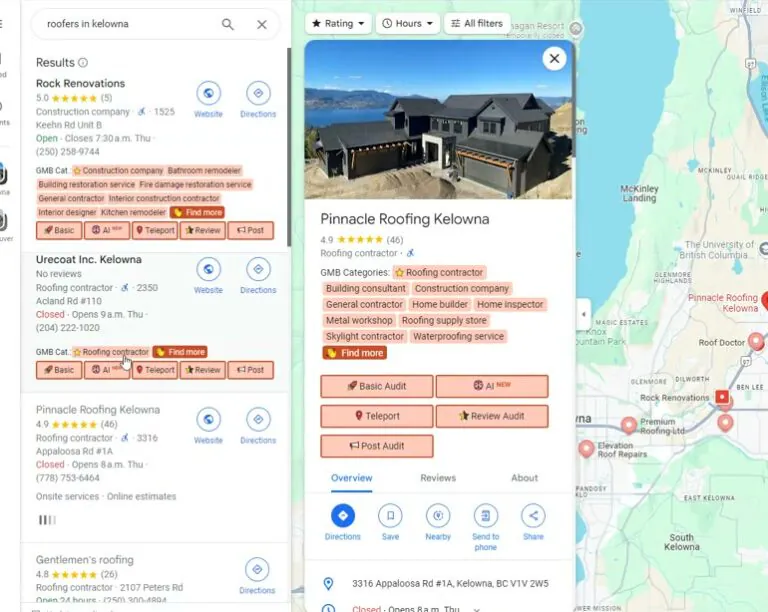
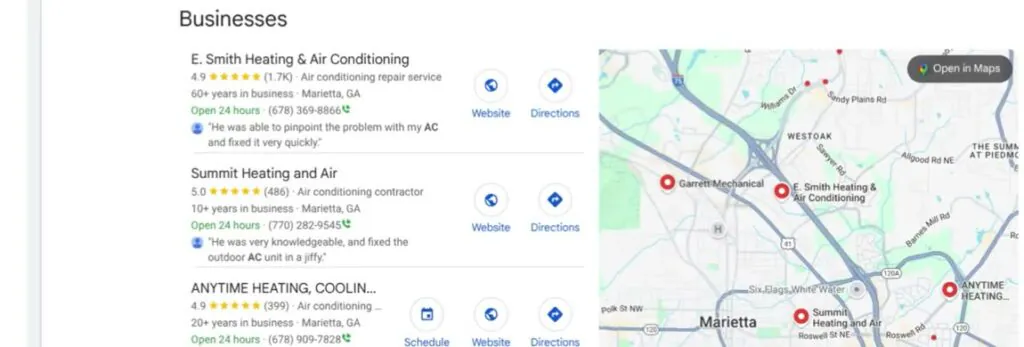
Review the real-world name, category, contact details, hours, website, and address or service-area information. Update special hours when needed.
Follow eligibility rules for the actual business model. A contractor serving several towns does not automatically have a qualifying office in each one.
Maintain owner access and a record of agency permissions. The business should not lose control of its profile when a supplier relationship ends.
Build pages for distinct services
| Customer need | Useful page content |
|---|---|
| Repair | Problems handled, service coverage, availability process |
| Installation or replacement | Assessment, options, project stages, estimate route |
| Maintenance | Actual scope, scheduling, exclusions, and plan terms |
| Commercial work | Building types, service capabilities, and coordination |
| Local service inquiry | Genuine coverage and practical contact information |
Do not split every equipment phrase into a thin page. Separate pages when the reader needs different information and the business can supply it accurately.
Keep safety-sensitive explanations within scope. A marketing page can explain when to request professional assessment without encouraging unsafe equipment work.
Use real evidence
Show genuine team and project photographs with permission. Explain the work performed without exposing customer details or inventing an outcome.
Verify certifications, licenses, manufacturer relationships, and warranties before using them in copy. Claims should match the business’s actual status and terms.
Avoid AI-generated installations as proof of completed jobs. A conceptual illustration may explain a service category, but it should not impersonate technical evidence or a real customer property.
Plan truthful local coverage
Location pages should offer meaningful details such as actual coverage, relevant work examples, scheduling information, or a genuine office. Avoid large sets of pages that change only a town name.
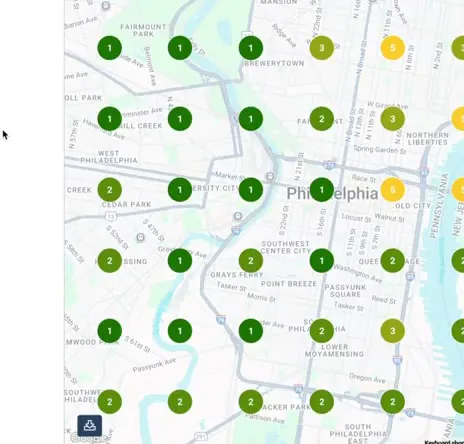
Local results vary across geography. A service-area setting communicates coverage but does not guarantee the same ranking everywhere.
Keep customer expectations clear. If a particular area has different availability or service limits, explain that accurately rather than using broad claims to capture an inquiry.
Connect reviews with service quality
Request feedback consistently and follow the platform’s rules. Avoid incentives or processes designed to solicit only favorable reviews.
Respond professionally without disclosing private customer information. Complaints about missed appointments or communication need operational review as well as a public response.
Use feedback to improve the service and the website. Repeated questions may reveal missing information about maintenance scope, estimates, or booking expectations.
Test the inquiry path
Check phone routing, missed-call handling, forms, confirmations, and appointment requests on mobile. Distinguish an inquiry from a confirmed booking.
Keep the initial form useful and proportionate. Collect what the team needs to assess fit, and route urgent requests according to the business’s actual process.
A marketing report should distinguish phone clicks, connected calls, qualified requests, booked jobs, and completed work where measurement permits. They are different stages.
Review technical foundations
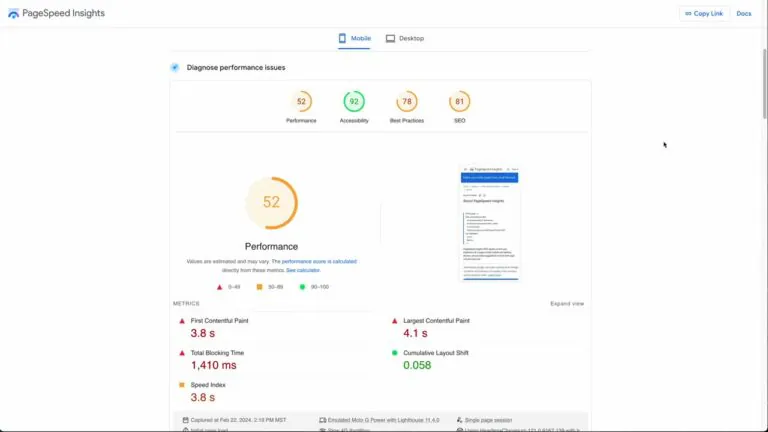
Make important service pages discoverable through navigation and internal links. Check titles, headings, redirects, indexing settings, broken pages, and large images that interfere with use.
After a redesign, test the main service URLs and contact routes. Keep a change log so performance issues can be investigated.
Use structured data that reflects visible information. Do not add invented ratings, locations, or service claims to markup.
Account for seasonal demand
Compare similar periods and record weather, promotions, capacity changes, and measurement updates. A hot or cold spell can affect demand independently of website work.
Prioritize content early enough for the business’s planning cycle, while keeping current availability accurate. A seasonal guide should explain a useful customer decision rather than repeat a sales message.
Review the quality of inquiries by service and area. A rise in low-fit requests may increase workload without improving the business.
An initial action plan
First, fix inaccurate profile details and contact failures. Next, improve core service pages and genuine evidence. Then address useful local information, review processes, and technical patterns.
Maintain an action register with evidence, priority, owner, dependency, and completion check. Verify live changes instead of reporting a recommendation as finished work.
Use results to decide what to improve next. A publishing quota should not override a more urgent booking or measurement problem.
For the underlying implementation or measurement guidance, consult the official reference and check current requirements before making changes.
Frequently Asked Questions
Does an HVAC company need a blog
Only when articles answer useful customer questions. Accurate services, coverage, contact routes, and technical access are usually more fundamental.
Should every service area have a separate page
Create separate pages when they provide distinct and truthful value. Avoid repetitive pages or implied offices that do not exist.
Can SEO guarantee emergency calls
No. Demand, location, competition, service availability, and call handling affect outcomes. Do not promise work the company cannot deliver.
How should seasonal results be compared
Use relevant comparison periods and note weather, promotions, stock or staffing constraints, and tracking changes.
What is the most useful first metric
Suitable requests for services the company can actually perform, followed through the booking and delivery process where possible.